What Is Noren?
What Is Noren?
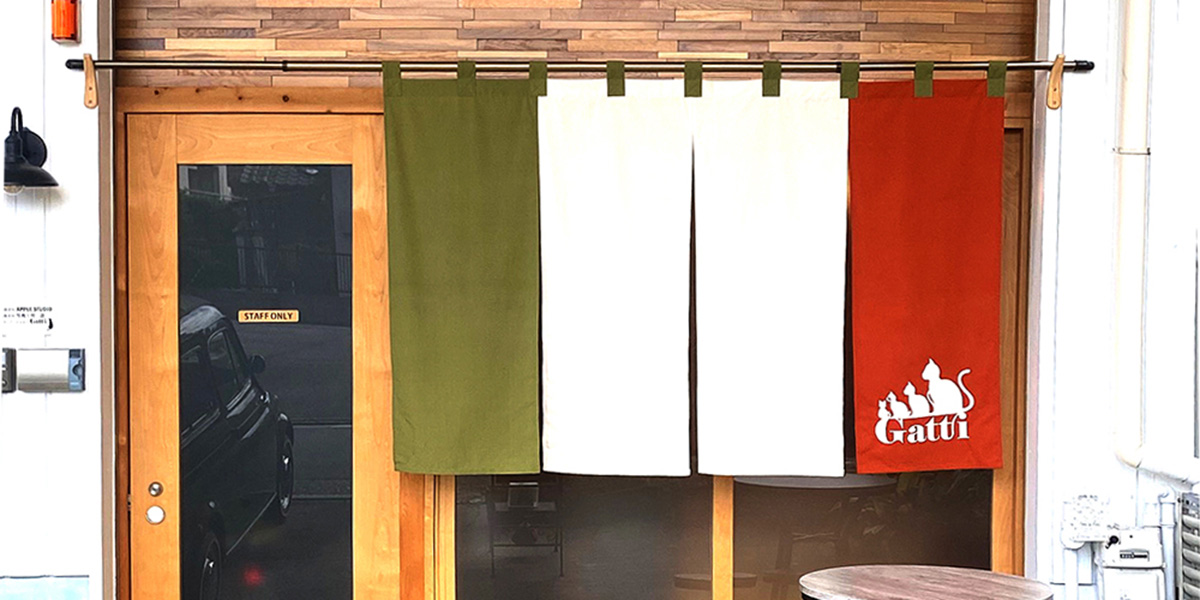
Noren are traditional Japanese fabric dividers that hang in doorways, entrances, windows, and interior openings. They are used to separate spaces softly without fully closing them off.
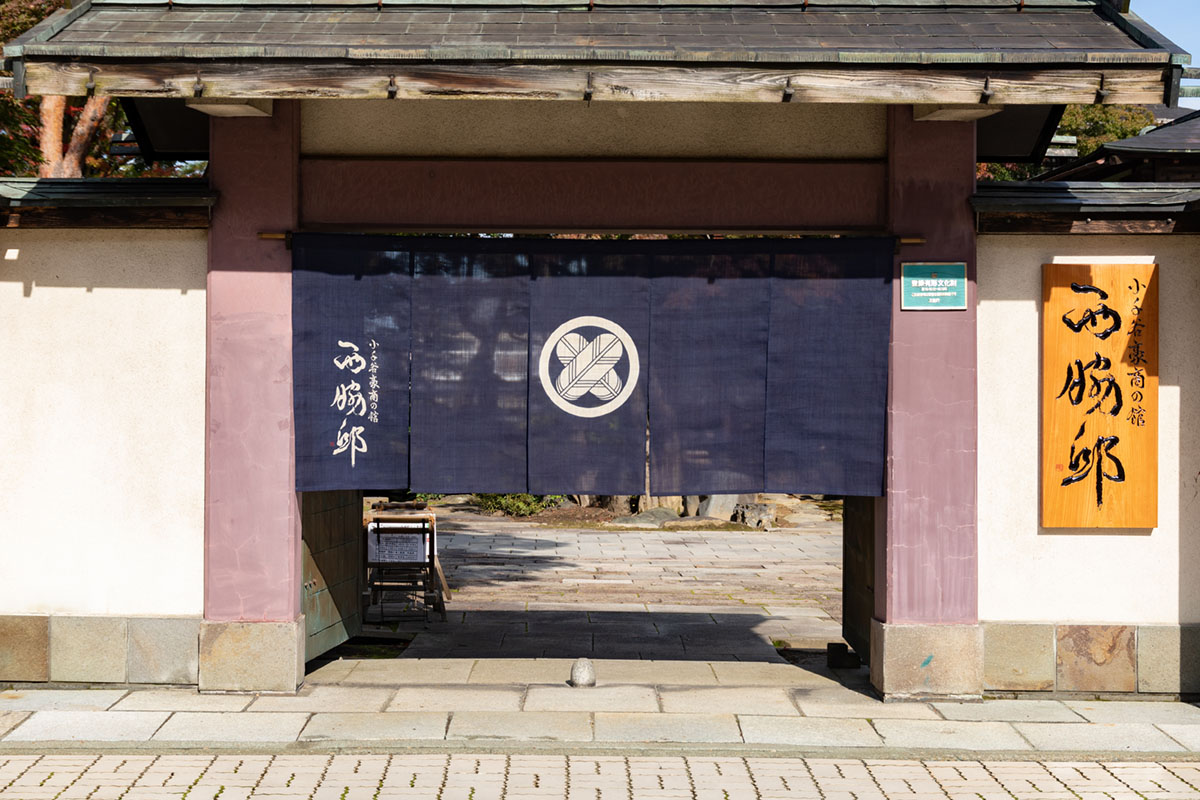
In Japan, noren are often seen at restaurants, shops, inns, and homes. They can provide light privacy, reduce direct visibility, add atmosphere, and sometimes display a shop name or logo.
Contents
1. What Noren Are and How They Work
A noren is a fabric hanging, usually made in a rectangular shape and hung from a rod. What makes it different from a standard curtain is the vertical split or splits in the fabric. These openings allow people to pass through easily while the cloth remains hanging in place.
Because of this structure, noren can divide a space without making it feel closed. They are practical, but they also affect the look and mood of an entrance or room.
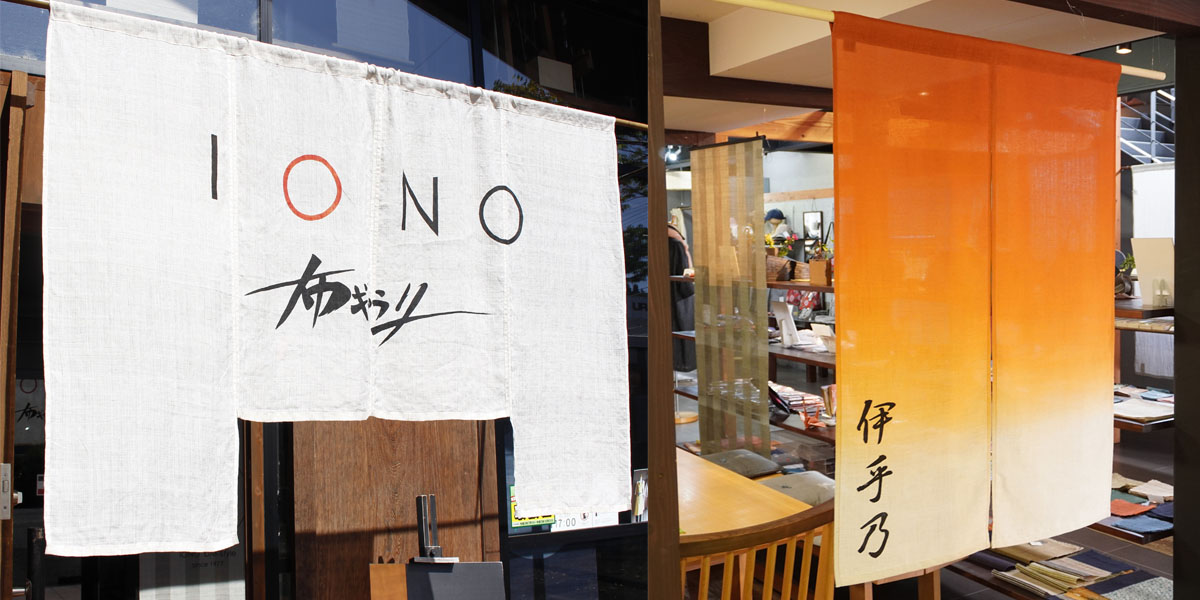
Some noren are plain and simple, while others include patterns, calligraphy, family crests, or business logos. In commercial settings, they can work as both a fabric divider and a sign.
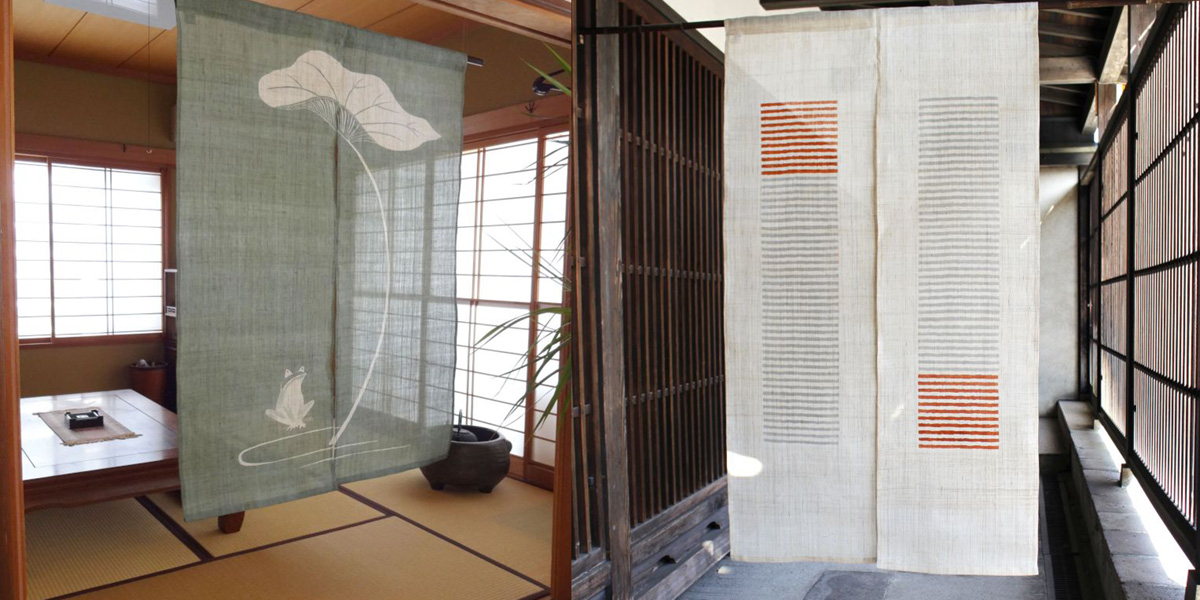
A noren is a Japanese split fabric curtain used to define a space, soften visibility, and sometimes show the identity of a shop or place.
2. Common Uses of Noren
Shop and restaurant entrances
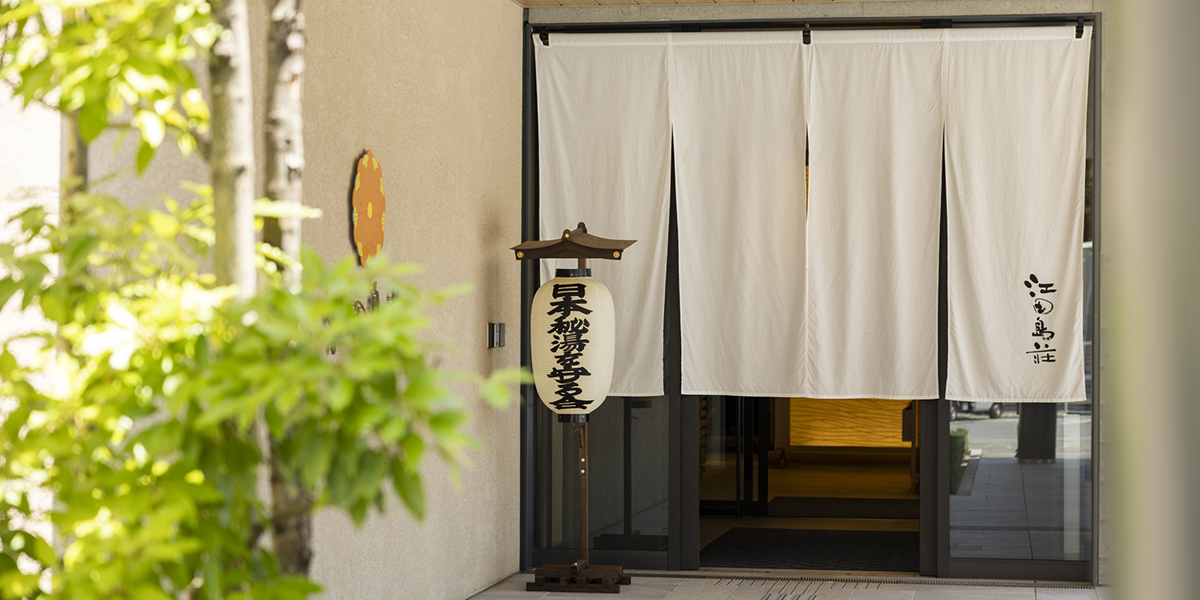
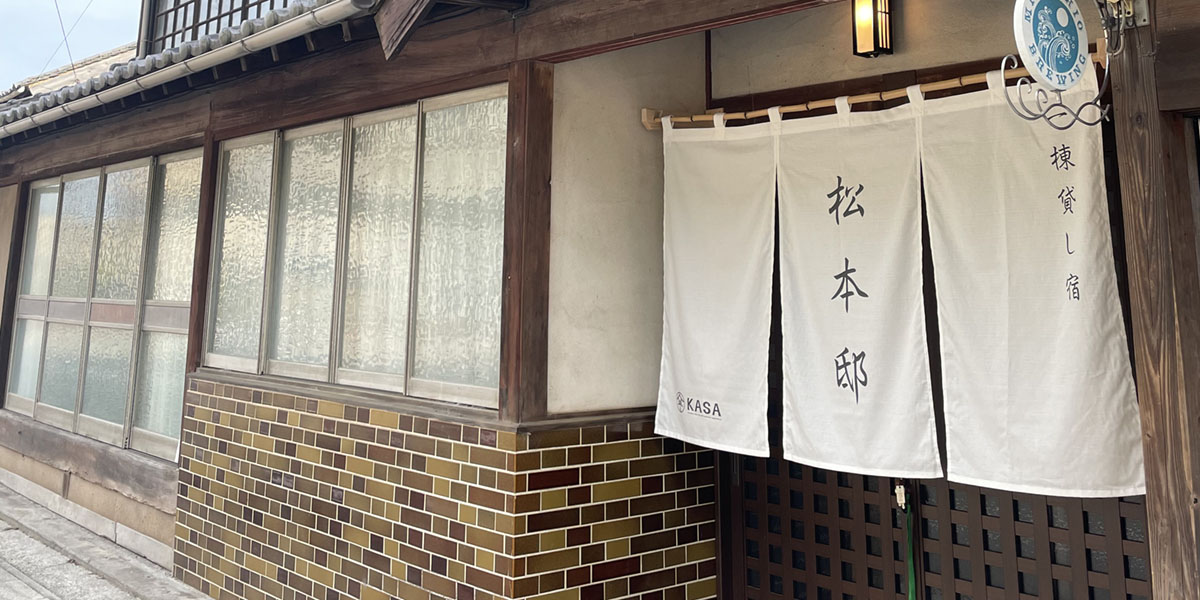
One of the most familiar uses of noren is at the entrance of a restaurant, café, shop, or inn. It helps mark the entrance clearly while adding character to the storefront.
Interior room dividers
In homes and interiors, noren are often used between rooms, kitchens, hallways, storage spaces, or passageways where a door may feel unnecessary.
Light privacy
A noren can block direct sightlines without fully shutting a space off. This makes it useful when you want separation while keeping a room open and airy.
Decoration and branding
Noren are also used for visual effect. A plain noren can add texture and warmth, while a custom one can display a logo or design in a clear and natural way.
3. Types of Noren
By length
Noren can be short, medium, or long depending on where they are used. Short versions are common for windows or compact openings. Longer versions are often used at entrances or where a stronger visual presence is wanted.
By number of panels
A noren may have two panels, three panels, four panels, or more. Fewer panels often create a cleaner and bolder look, while more panels can feel lighter and softer.
By style
Some noren are very simple, focusing on fabric texture and color. Others include printed or dyed designs, text, crests, or logos.
4. Common Materials
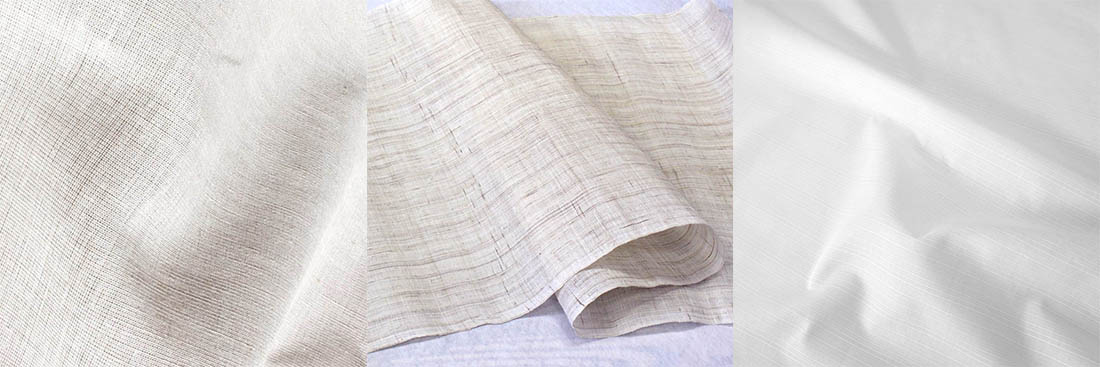
The material changes the appearance, texture, and overall impression of a noren.
Ramie and linen
These natural fabrics are often used for higher-end noren. They have a textured surface, a natural feel, and a look that suits both traditional and modern interiors.
Cotton
Cotton is also widely used. It is versatile and works well for many styles, from casual to more refined designs.
Synthetic fabrics
Polyester and other synthetic materials are sometimes used for printed noren or for cases where durability, lower cost, or easier maintenance is important.
5. History of Noren
Noren have been used in Japan for many centuries. Originally, they served practical purposes such as blocking sunlight, dust, wind, or cold air at openings and entrances.
Over time, they became part of everyday architecture and shop culture. As towns developed, merchants began using noren not only for function but also to show the name or identity of their business.
Their role stayed simple, but it became closely connected to Japanese daily life and commerce.
6. Noren in Japanese Culture
Noren are more than just fabric dividers. In Japan, they are closely tied to the idea of an entrance, a threshold, and the identity of a place.
In shops and restaurants, a noren can suggest that the space behind it has its own style or atmosphere. In homes, it can create a softer transition between one area and another.
7. Noren Today
Today, noren are used both in Japan and internationally. They appear in restaurants, boutiques, hotels, studios, and private homes.
Modern noren can be traditional, minimal, or contemporary in design. They may feature plain colors, natural textures, graphic artwork, or brand logos.